Feeds:
Posts
Comments

Archive for the ‘My Life’s Rich Pageant’ Category

As a kid I played the standard football, baseball, and basketball with my friends on the block, and was in the local soccer league through the park district, complete with reversible shirt, allowing us to be the yellow or blue team as needed. Gym class, a tiny bit of track, tennis lessons, and then softball and misc in college and after. Most of what I played in did not attract a crowd.

My parents I am sure did a great job cheering me on, and my dad certainly ran to my rescue when I was kicked in the jaw by my own teammate, but I can only think of two occasions when I noticed being cheered for while playing.

The first was in junior high, a day when for some reason we had to run laps around the school—state fitness standards or track tryouts? A certain tall, curly-haired KJ made a point of yelling my name and encouraging me, something immensely more inspiring than the binomial equation she wrote when she signed my yearbook. It must have been our Project Idea ties and general camaraderie in sharing a bunch of classes throughout our careers. I hope I cheered her on when she was similary forced to lap the school.

The second, still more treasured, a certain blonde-haired and blue-eyed BD in college cheering me on by name from the sidelines in an intramural basketball game. (Not the greatest basketball player, but I had my strengths.) We were most likely playing the fraternity whose members she hung around with, so her mentioning me from the sidelines was especially exciting and inspiring for me. Thank you, B.

What effect it can have when someone on the sidelines is there for you, especially unexpectedly. BD also majored in English, but, not surprisingly, we didn’t see much of each other as I seldom saw much of English majors and there was no apparatus tying such majors together.

Such tiny slices of memory taking on such a relatively large shape. The mind and heart are amazing. I could catalogue moments like these.

* Musical Interlude *

Two trios of songs joined me yesterday.

The first started with me listeining to Document after ages away from it. R.E.M.’s “Central America Triptych” has some of their best music and more intriguing lyrics and concepts, all seemingly inspired by Noam Chomsky’s Turning The Tide and the general 1980s anti-Reagan vibe I remember fondly.

Document offered “Welcome To The Occupation,” with “The Flowers of Guatemala” and “Green Grow The Rushes” from their previous two albums. The third has quite possibly my favorite R.E.M. guitar hook, the second a rousing solo, and the “Welcome…” just an all-around vibe and melody that easily lands it on my best of R.E.M. which should one day exist. Until yesterday I’d barely connected any of them to 1980s U.S. intervention in Central America. Oh well. Layers of meaning?

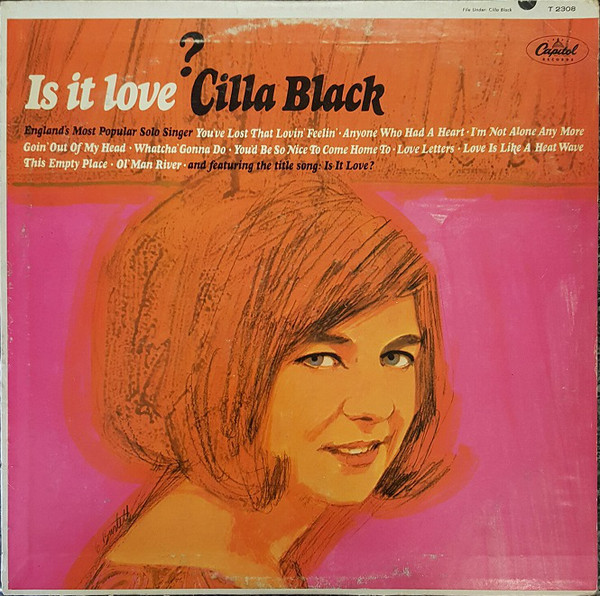
In the evening I played Dionne Warwick and pleasantly remembered she had recorded the Bacharach-David “This Empty Place.” Is it somehow only my third favorite version of this excellent song? I think so. I first heard it by The Searchers as an extremely catchy album track, backed up with their smoothly great instrumentation. Then, it came again later as a highlight album track for Swingin’ Cilla Black who has a way with the drama and nearly veering out of control, and this song is no exception. Her version’s modeled on Dionne’s and I can only say, woo-weee!

Think pink cover from Cilla’s 1965 U.S. album. (from Discogs.com)

Some old Sandie Shaw stuff is next.
We’ll see how that goes!
Long long live love.

Read Full Post »

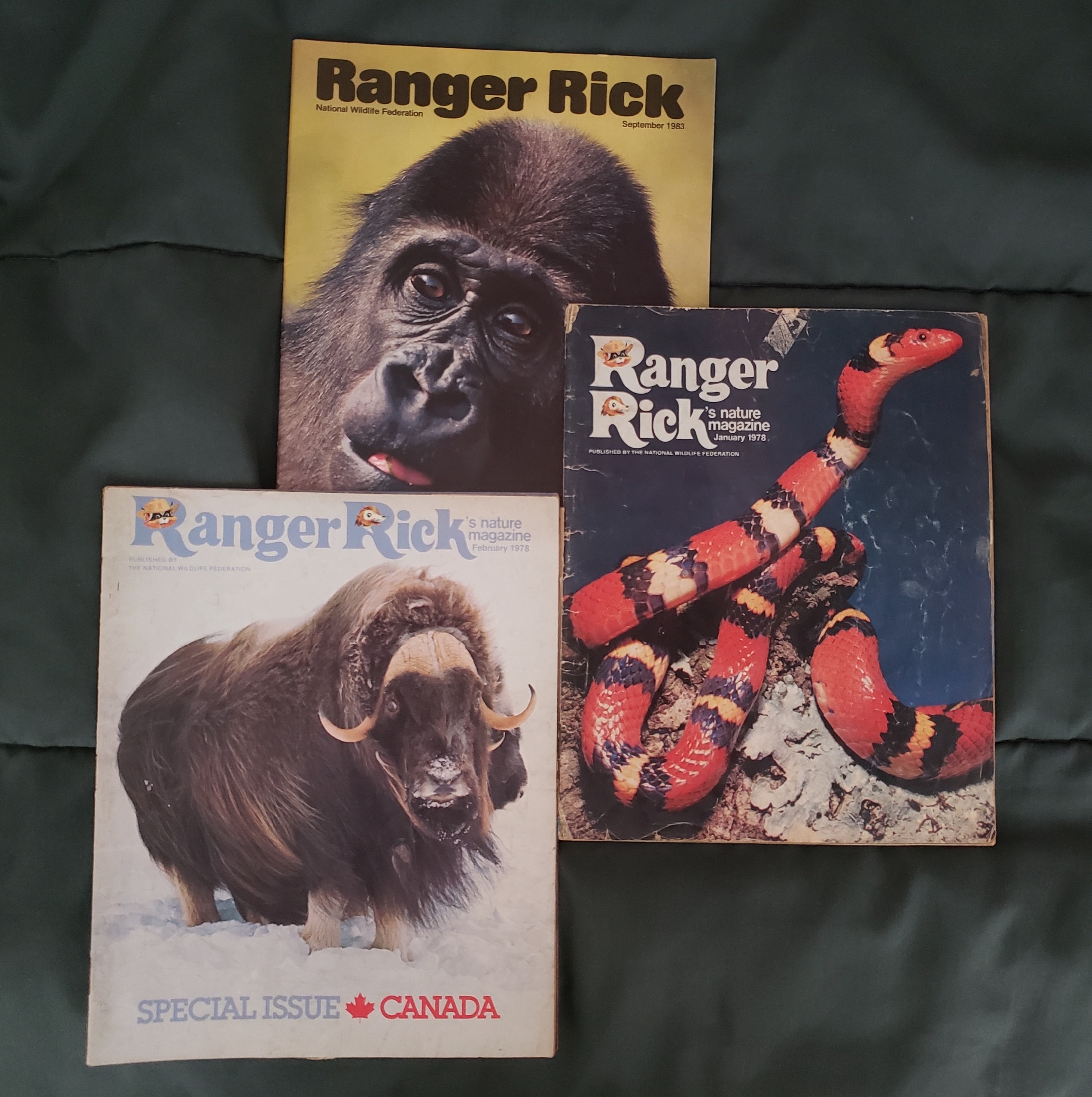
Who remembers the National Wildlife Federation’s Ranger Rick?

Three of my Ranger Ricks!

Although I’m not ready to start filling it with squirrel and nonprofit ideas, I do plan on reading each of the above three issues and offering my reactions to them on my in embryo Squirrel of the Week blog.

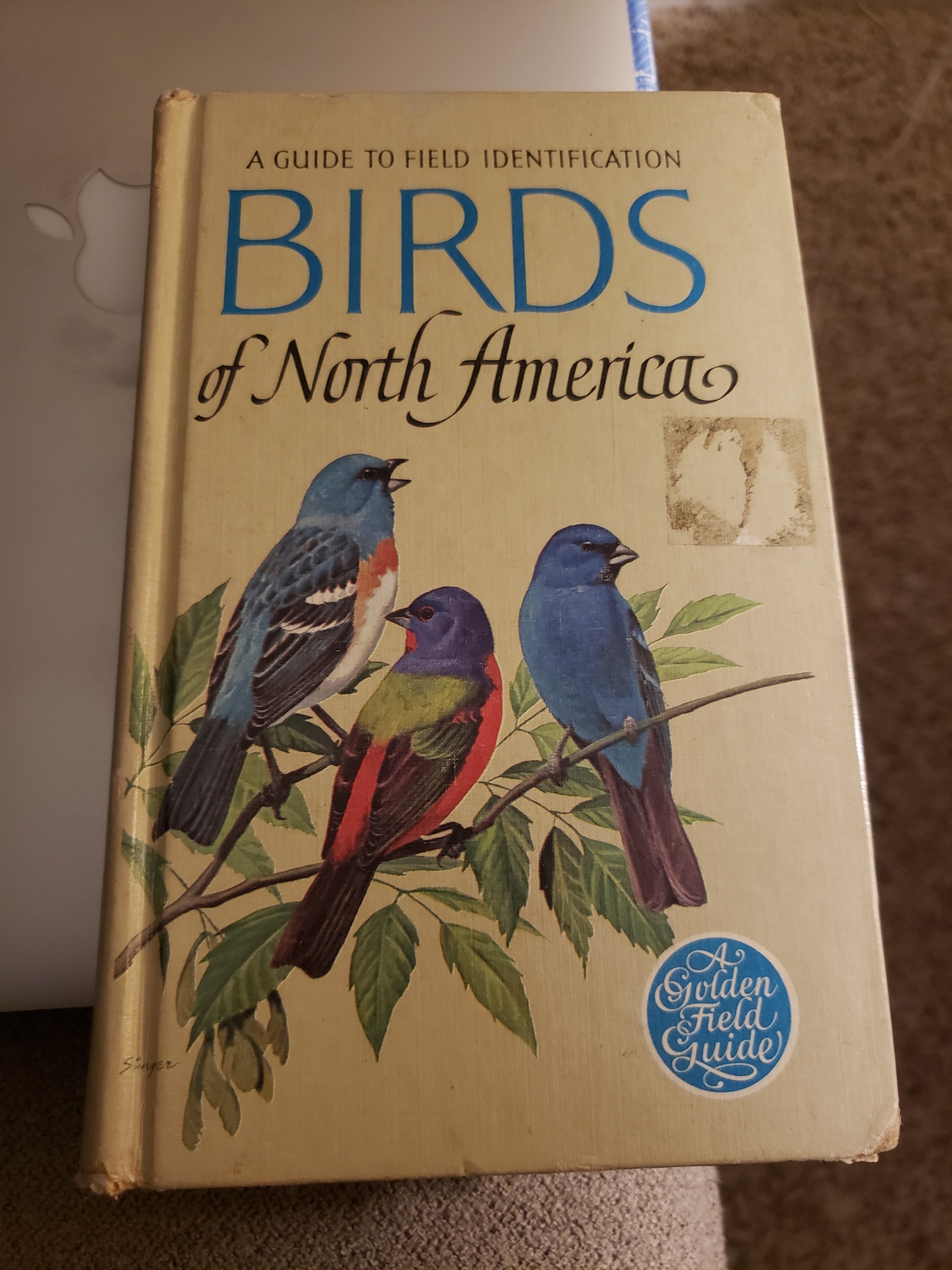
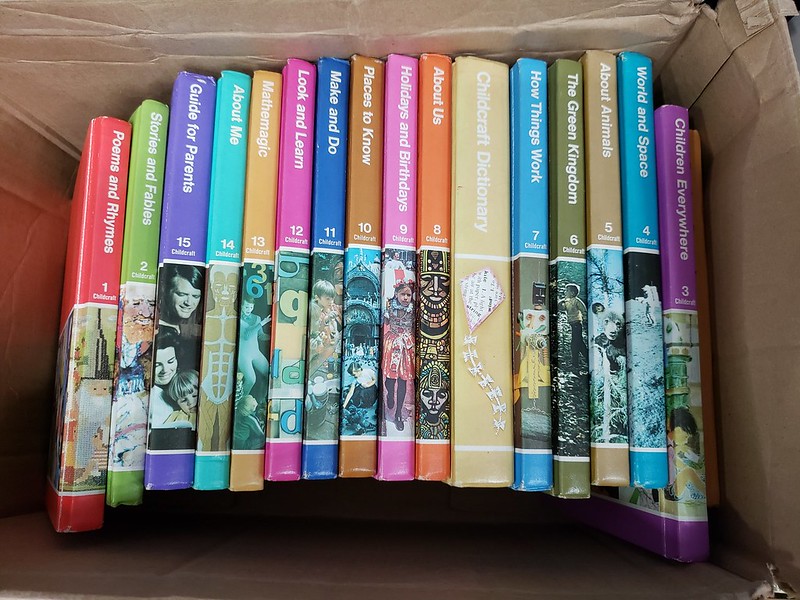
So, keep your eyes open for that, and consider subscribing to both blogs, by using the sign up on the upper right of each page. I’ll get reading, and for now leave you with some images of other important books in my upbringing that are also likely to appear here again.

Read Full Post »

I used to read Louis MacNeice in my birthday month, tracking his published poems with my age. I gave it up several years ago, but decided this year to catch up, starting with reviewing some poems MacNeice published in his late 30s and early 40s. In a couple of years, we’ll meet in age again as I catch up.

I’m not sure why I stopped with the annual reading of him. Maybe I got bored; more likely poetryboth writing and reading itwas lost in pain to me. But now maybe I have found the strength of sane return in my late 40s while MacNeice found it in his late 20s. 

Before I turned to catch up with my reading with the poem “Plurality,” I took up Louis MacNeice’s pinnacle, “Sunlight on the Garden” and “June Thunder,” poems I remember from the old Norton anthology, my Oxford anthology, and now my worn Faber Collected Poems.

Set amid some poems with a similar theme, this is MacNeice at age 29 or 30, ushering in a new era of his life, with looks to nostalgia, loneliness, and how youth experience the world, turning to experience the world in a new phase of maturity. “Taken for Granted” and “The Brandy Glass,” are two other excellent poems in his 1938 collection, The Earth Compels, capped off with “Bagpipe Music.” (I notice I pencilled in that 1939 was his annus mirabilis, but 1937 makes a good case at quick glance.)

“Sunlight on the Garden” has the hard coziness, sunlight on pavement, that characterize this time in MacNeice’s poetry. Read it on renowned poet W. S. Merwin’s (palm tree forest) conservancy page. It’s a poem of maturity, a reconciliation to death’s more tangible reality, a relishing of beauty through a new lens: “And not expecting pardon, Hardened in heart anew, But glad to have sat under / Thunder and rain with you.”

June Thunder” too, a return to a place not in thought alone. He returns to the old fields, his old room, a “cleansing downpour / Breaking the blossoms of our overdated fantasies.” But in this poem he is alone, not sharing the garden with someone: “If only now you would come I should be happy / Now if now only.”  

It’s wonderful to experience these poems again, reaching a deeper delight in them at an age much more advanced than MacNeice’s when he wrote them. And I have not experienced a good thunderstorm in some time, either, maybe because the seed took hold that being out in thunderstorms might get me struck dead by lightning, plus the fact there is no one to run around with in the weather with anymore. (More here.

Here’s a lesser-known poem of the same time, directly following “June Thunder” in my Faber book, a fading echo of the previous poem:


The heated minutes

The heated minutes climb

The anxious hill,

The tills fill up with cash,

The tiny hammers chime

The bells of good and ill,

And the world piles with ash

From fingers killing time.


If you were only here

Among these rocks,

I should not feel the dull

The taut and ticking fear

That hides in all the clocks

And creeps inside the skull

If you were here, my dear.


I usually don’t have anyone specific in mind anymore to think of as “my dear,” but the sentiment still exists. I wrote a short story based on “June Thunder”; I wonder if I have the daring to turn to look at it.


Read Full Post »

My reading calendar has been consciously in place longer than my music one, which is still driven only by feeling until maybe my last post, where I codified my feelings, for better or for worse.

I’m not sure how it started, but it must have been feelings like my music ones, and then a decade or so ago I looked at all the books on my shelf and decided to enjoy the carousel that was my mind, for once. Some of these monthly selections arose very naturally, long before I was conscious of anything, some came when I saw I had a mess of worthy books that were not being read. 

You might wonder where the nature books are; well they have been declared an ongoing concern, with readings in that vein taken up throughout the seasons. 

January

Russian, or Continental, fiction. This clearly arose from my working world days, taking the train to work in bitter weather and enjoying soaking up every phantasmagoric page of bedraggled, disgruntled, gauche civil servant fiction.

February

Brit hist, Vicky, Boney, Scots, &c. This started in an era of a lot of reading of the eras and lives of Napoleon and Queen Victoria, branching into general British history, including and especially the more alienated nations, plus the rest of Europe. The 19th century doesn’t loom as large as it once did, although it is still immense.

March

Presidential bios/U.S. history. Having collected two sets of presidential biographies, this seemed requisite. One president a year in at least one short book, and history related to his era.

April

International history (non-U.S., non-European). Adventures in my smattering of history books set in Asia, Africa, South America, Caribbean, Central America, the Middle East, the Pacific, the Arctic, Siberia &c.

May

Zola’s Rougon-Macquart series. In order written, as series should be read. We’ll see if I live long enough. I have a couple of translations of some of the books and have enjoyed comparing them to the originals when selecting.

June

Children’s fiction, Very Short Introductions. Summer away from school, why not read the old favorites? I have pairs of Oxford’s “Very Short Introductions” books and this an opportune time for summer study fun!

July

Thick novel. Sometimes not so thick. Lazy, hazy, crazy days of summer.

August

Music, art. A small group of classical music books (scores, lives), plus a lot of books about 19th-centure painters, mostly. 

September

Greek, Classical World, ancient, Louis MacNeice. A return to my heady first year of college where I delightedly delved into Classics. Greek Epics, plays, and poems, maybe history and art, what have you. Other ancients have been added to the mix. I began reading my collected Louis MacNeice (born on a date near mine) poems whose publication dates matched my age. I abandoned this habit several years ago, but am rectifying that this catch-up year.

October

Poetry, ghost stories, Irving-Chew. More loving return to schooldays, and what other month could be most poetic of the year, Keats’ birth month? On his birthday I read Washington Irving’s “Legend of Sleepy Hollow” annually for a decade or so. This gave way to Ruth Chew books about witches and magic. I also read a biography of A. C. Swinburne this month a while back. I never liked his poetry, but dug his life, and decided he’d make the ideal Hallowe’en persona if I ever put a lot of effort into ever wearing a costume again. 

November

Philosophy, religion. November weather must make me think, or want to. Paving the way for celebration and change?

December

Mystery, comics, roleplaying game rules/worlds. This started with reading a volume of Conan Doyle’s Sherlock Holmes books per December along with Wodehouse or something akin. Now I have some comic book collections and roleplaying game guides lying around, so might add those. We’ll see.  

Read Full Post »

My Music Calendar

Turn, turn, turn, spin, spin, spin.

Certain music comes to mind at certain times of year, which is no surprise for a merry-go-round mind like mine. I am glad it is in tune with the seasons and not just completely random. Several years ago I noticed similar inclinations for the types of books I want to read at certain times of year, so I made a “book type of the month” that has gone well since then. Maybe I’ll make another post sharing that sometime.

This will be updated from time to time.

Spring

Shelleyan Orphan, We Have Everything We Need, spring awakens this their last album continues to grow on me.

March

Split Enz, the romance begins afresh

April

The Church, Uninvited, Like The Clouds, loud spring torrents and freshets

The Jesus & Mary Chain, Darklands, april skies, yes i’m happy when it rains

May

Summer

Shelleyan Orphan, Century Flower, a contender for first album I associate with a season, summer flies buzzin’ bees, heavenly.

The Trash Can Sinatras

Split Enz, Bic Runga, The Go-Betweens, the romance continued so long ago now…

Sly & The Family Stone, there’s a riot goin’ on! Never more true.

June

The Smiths

Morrissey, Viva Hate

The Church, priest=aura

July

August

The Zombies, Odessey & Oracle, see my previous post for the history of this.

Fall

Shelleyan Orphan, Humroot, quiet, close autumnal beauty

September

The Church, Seance, the Beardsley-esque cover image, it must be autumn soon

October

The Church, Untitled #23, as we near the end

R.E.M.’s Murmur took hold this year, as it often does in hazy, witching days in fall or late summer.

Herman’s Hermits Blaze, too, hit the spot with its rich music and blots of yellow gold and raw gray-green turf on its cover.

Sixpence None The Richer, Sixpence None The Richer, like clockwork every most beautiful month of the year

November

Echo & The Bunnymen, cool, slicing apocalypse

The Sundays, Reading, Writing and Arithmetic, gray on grey on grey on gray

Winter

The Ocean Blue, The Ocean Blue, this may be the first album that always kept popping up at this time of year. When streets are ice crystalled after fallen snow, that is the time I think of this. Really frigid winter days.


Babacar, Babacar, a little slip of this Caroline Crawley free-form before we slip into…

Shelleyan Orphan, Helleborine, a summer holler in winter, ending in crystal Shelley

December

The Cure, I have vague memories that I listened to The Cure in winter first, on those cold cold days just before Christmas on tapes given to me by my sister and her friend, also informed by another friend for whom The Cure was her fave. All cozy and cats and poetry and cold and blankets.

Ian McCulloch, Candleland

Der Bingle

January

February

Read Full Post »

No Doubt: Return of Saturn

An album listen. A rough record of my thoughts while listening.

Ex-Girlfriend: Guitar strings, then a driving beat. Smart, sharp, but romantic and vulnerable. So this album begins, with its mysteries to me when I first listened to it, a decade after it had come out. But it brought me back to when it came out, when Gwen Stefani and I (of similar age) were similarly looking at our futures. She had plans, me I had never really paid much attention to nailing things downand I suppose that’s what this album and lead-off song are all about, one person with a clear wish for settling down, the other not feeling as much urgency despite wanting the same thing. Here’s the bridge, a little of the whine of Tragic Kingdom when she’d enamored me with “I’m Just a Girl” and “Spiderwebs” in the mid-90s, just five years before this leap.

Simple Kind of Life: Super transition to this crunchy song. This is a new No Doubt and the band is going along with her lyrics, not ska-ing it up constantly, which made Tragic Kingdom a hit or miss. Gwen at her most vulnerable and honest. Who wouldn’t want just the simple kind of life? If we’d opted for that, would we be happier now, would we have been happier then? “I’m covered in shells,” I love that cryptic image. “Oh, I always was the one with all the love, you came along, I’m hunting you down / Like a sick domestic abuser looking for a fight,” I love those lines. She understands young love in its all its aspects. I love how she adds that “oh” between lines. Gorgeous layers of sound, drum fills, her voice at its finest. It’s all really simple enough, this song, but No Doubt had and never has surpassed it. How she turns over different modulations of the refrain at the end, “A simple kind of life….”

Bathwater: Notwithstanding the performance that brought me this song, cue up Sanjaya on AI, this one hangs with the previous two in a gorgeous hat trick. Comical, music hall, yet still touching and effective for all its ooky, okay gross, chorus image. Yes, we do really feel that way when in lovewe’d wash in their bathwater. In fact that may be the clearest sign of love, being more than willing to more than tolerate others’ bodily functions and fluids. Gwen is once again led down the primrose path, not thinking about the future, thinking through what dating this person would be like, would it come to anything, would it just work out somehow despite everything? The comical girl voice at the bridge, it’s junior high all over again. She’s almost tripping over the complex alliteration here, but it’s working as the song traipses to its final chorus. The little girl voice returns again as she relishes her wash in nostalgic disregard, like a kid with a serious crush.

Six Feet Under: The hat trick that starts the album ends, and this song’s alright, but nothing special, a return to the old No Doubt. Good beat, the melody and lyrics not quite up to the previous three. Would the album return to form or is this another case of a 50/50 album like Tragic Kingdom50/50 being what I call an album that is half great, half virtually skippable. There are a fair number of these even in the albums I’ve kept, and it shows how hard it is to make a great cover to cover album.

Magic’s In The Makeup: An instant return to the first three super songs, amazing! Her voice pretty again, sentiment open, vulnerable, trying to overcome her girlhood ways. “I’m a chameleon,” how fun to sing along with that. “Makeup’s all off, who am I, the magic’s in the make up, who am I?” What a chorus, what a chorus! (I always thought she was saying, “Makeup’s all wrong,” also good) The magic in the makeup on her face, the making stuff up in her mind about who she really is and what she really wants. What is her true make-up? Again, amazingly touching, and the chorus and voice and accompaniment all work together startlingly well. Lovely modulations of the lyrics and melody. “I wanna be the real thing,” and she wants the real thing when it comes to love and relation to the world as well.

Artificial Sweetener: Sister of the previous, a little more aggressive, more sexual. “The return of Saturn,” amazing to sing along with. The mystery of the phrase before I learned what it referred to. Still, not knowing exactly what it meant, there was a menace to it, fitting for the raw assessment of her life, the “second guessing,” and the artificiality of all she does and has done. “I’m only sure that I’m not sure.”

Marry Me: Another contemplative little tune, confessing again her humble, conventional side. I had this too, I have it, I never cried out to be an artist, but here I am in my current situation with those writerly dreams at least half my humble ambitions. Echoing her earlier self, teasing to remind us of her first hit song, beginning a verse singing “A girl in the world…” Echoing when she wasn’t thinking who would be the one to marry her, but proclaiming her grrrring independence in that song that grabbed me: “I’m Just a Girl.” Nothing wrong with wanting a conventional life and still freedom to choose our way, independent identity even in a close relationship. She is both the woman of “Marry Me” and “I’m Just A Girl,” and maybe that’s why everything seems askew in her experience of this world.

New: Immediately catchy, starting with the chorus. Caught up in the immediate rush of “different than the former,” has she abandoned the wishes of the previous slew of songs or is this new guy the one who will fix up the mess of wishes that has become her life?

Too Late: Churning guitar, then back to the wistful, whimsical Gwen, wanting to parade her new love from the previous song (apparently about her Bushy future and now past husbandthis song fittingly begins like a famous Bush song). Again “Fulfillment just adds fuel to the blaze,” hard to pick out, fun to sing, more alliteration. Her wordiness is fun on this album and she had it in Tragic Kingdom too. The butterfly lines, gorgeously described. Is it another relationship that will end without marriage, in sheer disappointment after initial fervor? She can’t get past the indifference that can come after lust is sated. It seems so. :(

Comforting Lie: Another wonderful melody for her to play her voice on. Great, frantic chorus. So fun to sing along with “Oh build a bomb and blow it away blow it away ” ending with a lovely guitar bit back to the verses. On and on and I would love it. And it seems the reationship of the previous few songs is gone in dramatic fashion, with a joy in blowing it up. Sort it out, toss it away, just give up, but she can’t decide…. “I’m feeling weak, yeah……” Amazing how the album keeps yielding such precious moments to feel and sing and revel in.

Suspension Without Suspense: Clever title and wonderful working through of the chorus, the story of her life and this album as she wrestles with finding what she really wants and falling into traps along the way. I’ve had a relationship or two or like this: “We get so far and then it just starts rewinding, and the same old song we’re playing it again, suspension without suspense, intention without intent.” I find myself singing this couplet often. We can’t get any further in this relationship, it’s stuck, it cannot build any higher, but I don’t want to lose it, why can’t things stay the same?

Staring Problem: Instant turn-off once one starts to notice it, and maybe starts skipping it, but why skip a weak tune on a top-tier album? I got over skipping it and kinda like it now. It has a goofy fun to it, especially with her little piped-in voice in the background of the break, itching to fight saying crazy stuff and that little girl voice joining her in the chorus, and then the shouts at the end. “Predisposed cat fighter.” Seems shorter than its 2:44 and the gamelan ending way cool, shades of my 1998 first experience of that music, not long before this album came out!

Home Now: Jam-type (well, Style Council and Crowded House too) beginning with station waiting room announcement voices, maybe she is hitting the road. Seems like the final song of the album, but it’s not. Only downside is the intervening of the old No Doubt and its a-melodic ska stuff in the break. It’s catchy and weird here, a semi-weakness of an awesome song. These last two songs again somehow return this album to genius. so well over half of the songs are top top tier with nearly all the others good to very good. “What you givin’ up for me, what shall I give up for you? I love the “shall.” Wondrous chorus, delayed: “If you lived here you’d be home now.” Sweet voice, driving chorus to the extreme with the layering and keyboard stabs, guitar lacing around the affair. Horns, “casual light days, part of the furniture,” guitar lacing again. Could go on another ten minutes musically, with more chorus please please.

Dark Blue: Enticing title and use of “dark blue” in the lyrics, giving a cosmic tone to Return of Saturn. Cool harpsichord, it’s too bad you’re so sad, “Unlike you I had it easy, you’re dark blue.” I never did catch that first phrase; I thought it was a garbled “moonlight blue.” Suburban, nice family me and Gwen vs. whoever she’s with and his dark blue past. Wanting to heal her loved one. So much love to give and no one to give to…

Piano Coda, Too Late: The Cardigans did this, Madness too in a way, but not so affecting as here. But here it lets her be alone with her thoughts, and I’m alone with mine.

As I said before, nothing else captures the feel of that time for me even though I didn’t know the album then. The late 90s, when I wound down grad school and found new work and then struggled subconsciously to settle down, trying to get over and get started with things that didn’t work out. Truly staggering. Time travel through one of the most important albums of my life.

936px-Saturn_from_1996_to_2000

Saturn from 1996 to 2000, by NASA Hubble

Read Full Post »

20200723_133258_resized

I remember you by

thunderclap in the sky

The feelings that surge in this one, more than any of our previous five Post-its. A certain M introduced me to Split Enz on those two celebrated mix tapes, and a certain L will forever come to mind first when I hear this group sing, as they do here more than almost anywhere else.

If you’re wondering what this is all about.

This is the most visceral of my Post-its, thunderclap in the sky, for me, someone who celebrates rainstorms, and used to thrill over being caught in them in grad school in Virginia, leaving the library as they moved in, being drenched while walking, then simply changing clothes when I got back to my apartment. Another time there, one struck at 8 or 9 pm and I dodged lightning bolts escaping my office with a female colleague of mine, we two laughing it up under a small wooden pavilion when we needed a break. Then there’s the morning thunderstorm when I was drawn to driving out to a great marsh and watching nature take its course seemingly ignoring the weather in what many imperceptive humans would describe as hell all round.

And then there’s that Louis MacNeice poem that led to a story with the same title.

Some memories of storms, and though I am more conscious now, sadly, of the chance of being struck by lightning, I still hope to be caught in them despite my mutated self. This song invariably brings me to L. The thunderclap of the lyric makes me think of her every time, so, it’s the lyric, the song, that brings her to me, not an actual thunder. It’s all the sameshe reappears to me in moments to treasure. The venture I took to go out and see her: tyranny of distance didn’t stop the cavalier.

* * *

This song is part of what I call a “hat trick.” This is a misnomer, but trifecta sounds too cheap, trilogy to lumbering. In hockey, not that I am a fan of that either, a hat trick is three goals scored in one game by the same player. I have co-opted the phrase to mean a span on an album where three songs in a row sustain a rarefied air, something well above and beyond, ten minutes of bliss. Why this matters I am not sure, but it’s hard to sustain such excellence and I make mental notes whenever I notice one. One the brain’s many parlour games. Time to share.

The practice started with Split Enz’ first album, Mental Notes, where three songs near the album’s end reach that peak, one I’m not sure has ever been matched. The hat trick we’re talking about today is not as intense, but the song “Six Months In A Leaky Boat” was prefaced by an instrumental called “Pioneer” on the Split Enz collection where I first heard it; and this was as it was on the Time and Tide album release. “Pioneer” sets the stage with smooth, swirling synth zest for “Six Months” and its video which has a touching, albeit outdated, nostalgia to it, bringing to mind initial contact and lost love.

The song is followed on Time and Tide by the first Split Enz I ever heard, “Haul Away.” This was on the mix tape M made for me, the one that introduced me to so much music of my future and present. So from “Pioneer” to “Six Months” to “Haul Away” it is a fantastic, very personal hat trick, even a triptych. (Maybe I should be calling these triptychs, but triptych implies a feature piece flanked by two lesser.) How the songs fold into one another: the instrumental setting the stage, the big impact of the main song, then the jaunty jig of a “nervous breakdown” ending things. More than ever, I feel the “lapping at my heels,” “love goes all wrong,” “it’s all we can do to carry on.” Listening to them all again yesterday, it’s amazing all the loving detail that goes into music, all eventually swept away by Time and Tide as the world stops listening and moves on to something new.

(Maybe I should go with three hares instead of hat trick. I am reading Watership Down for my big summer novel this year. That is a more circular symbol, though. But maybe that’s fitting for someone like me whose internal life is like being on a merry-go-round.)

Read Full Post »

20200710_084307_resized

The Go-Betweens, another group I could write a volume on, or at least threaten to. Links to a handful of people in my life, with initials like M, J, S, A, L, R.

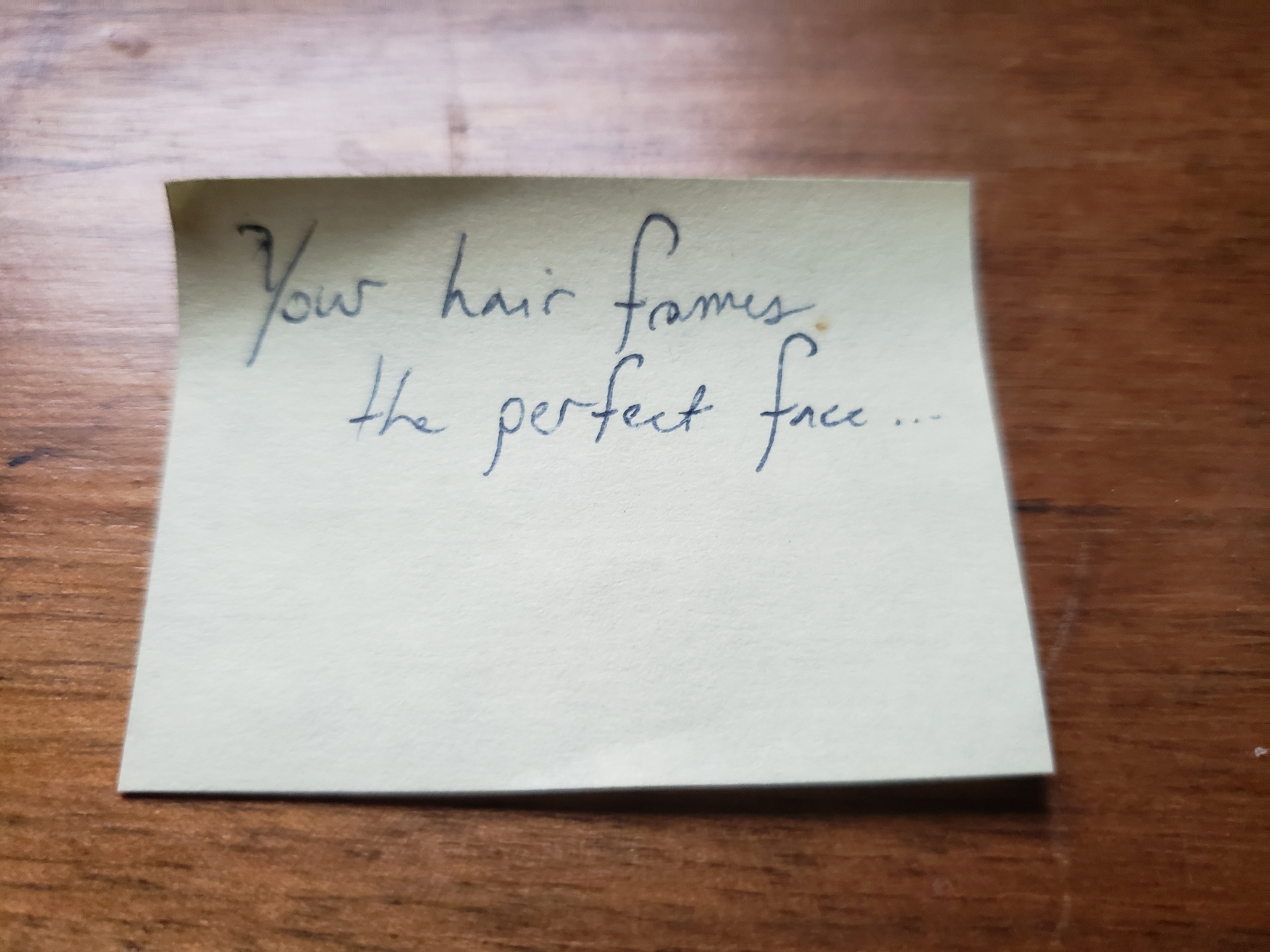
Your hair frames

the perfect face…

It seems it is actually “a” perfect face, but “the” is more unique, is it not? And that’s how I heard it. Another beautiful thought and image, matching the freshness, almost naiveté amid the sad experience, of the Go-Betweens last two albums, Tallulah and 16 Lovers Lane, where romance and diminishing romance shared the space with four of the band members. I always pictured this face as almost literally framed by the bobbed or flipped hair I admired from my 1920s phase that I’m not sure has ended.

“You Tell Me” has those rare, ethereal high harmonies of Waterloo Sunset. And, the beauty, the confidence of the woman being sung about: “Then you tell me, I have a choice, you you, you you.” The album is named after herTallulah.

And I remember one of those afore-initialed people in my life telling me her favorite line in the songcan you guess it? There was the drive to a wine-tasting that took place under a tent in summer rain with a shaggy dog dashing around the grounds and a little jazz combo. Many many little Go-Betweens memories.

Too bad to some now it’s a textbook, with a cool cover at least. Feeling the songs naturally as they came along into my life, that was remarkable and why they’ve had such an impact.

Driving one recent day, thinking about these associations, another interfered when “Brown Eyed Girl” came on the radio. I think we all know that gorgeous masterpiece, still strong although I’d heard it multiple times nightly for a solid year blaring outside a bar across a creek from a grad school apartment. It brought to mind the person I got to know then, enriching and ruining my life in equal dose. Yes, the past is quite dead to those who don’t remember it, and how many have I forgotten about or have forgetten about me! But when it lives, whether it’s healthy or not, it can be good company.

One more to go.


Read Full Post »

20200613_171528_resized-1

More than a decade ago, I scribbled a few song lyrics on Post-it notes and strew them around my room; they are now stacked in a cabinet. There are six, and I thought it would be fun to take a look at each one and see what they dredge up. I recently re-listened to a John Betjeman interview where he likened pop stars to poets for our times, and these six quotations I wrote down were poetry to me.

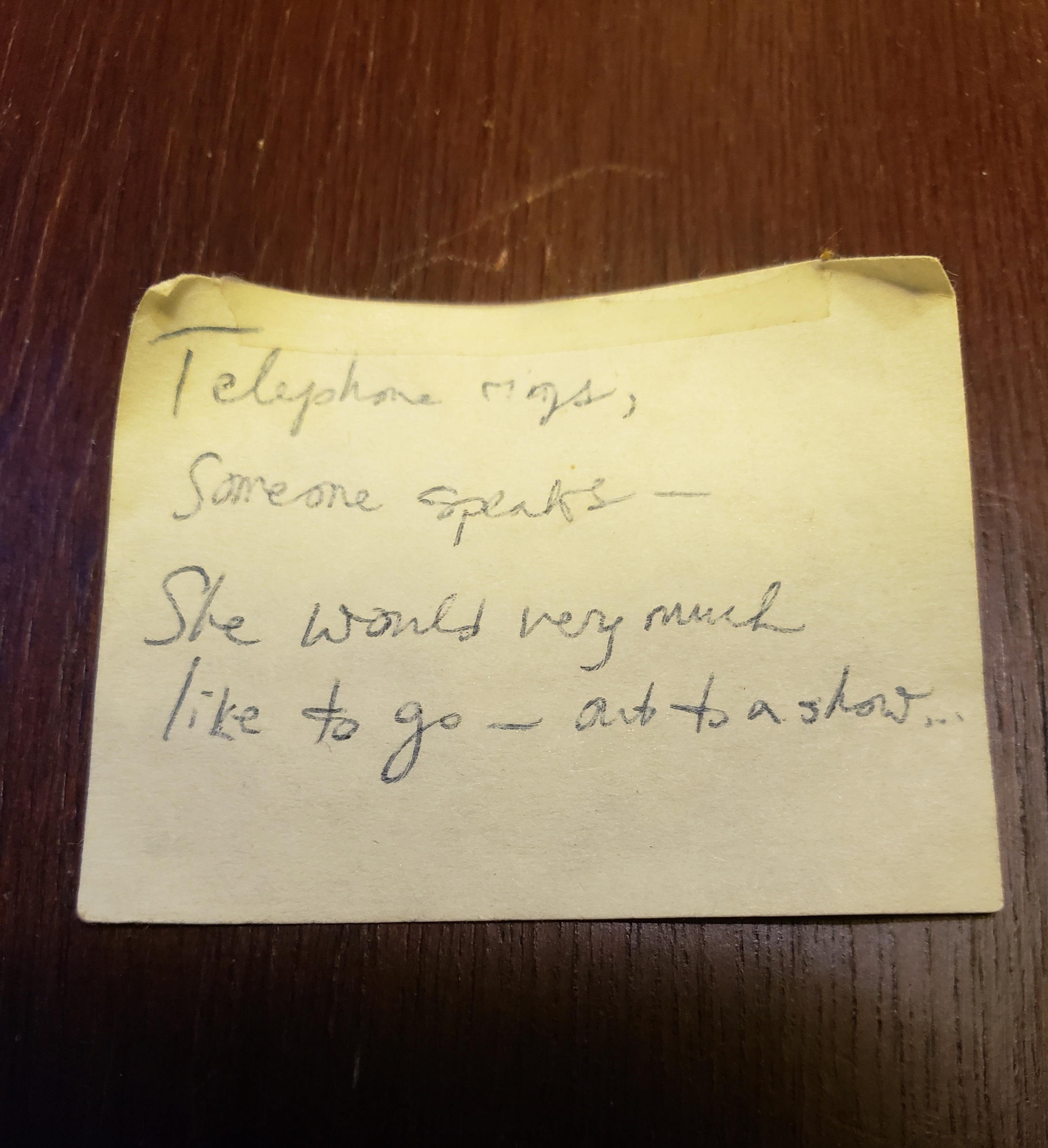
Telephone rings,

someone speaks —

She would very much

Like to go — out to a show…

I remember being excited by these words, the idea of a woman who would call me out of the blue and invite me out. This Post-it gave a tiny sketch of an ideal woman, an ideal experience and situation. Wistfulness, a longing, a something lost in the past these are part of the Post-it sextet, but there’s more to it as well. The song is called “Paintbox,” and its lyrics and music bring a bunch of images to my mind I won’t get into here.

This Post-it has a line of tape across the top of it, so I had it taped onto something at some point. Could it have been a telephone?

Featured too often on t-shirts and other cultural utterances as a kid, I avoided Pink Floyd (and Led Zeppelin) for a long time (I have still successfully avoided Led Zeppelin). One day I got hold of Relics, a grab-bag compilation of their early stuff came my way, and that along with a bit of knowledge of the oddity of Syd Barrett got me to listen.

Composed by their keyboardist, Rick Wright, “Paintbox” has a pressing, percussion-driven beat from the drums and piano. Other than the romantic moment I’d latched onto, its theme is more of desire to escape from pounding social pressures. The singer wants to be rid of fools, rules, ‘their’ friends, the game, the scene, traffic, she. “I open the door to an empty room / Then I forget.” When the girl telephones, the singer isn’t sure what to do, but she sees through him, and the outing is planned and some comical stress and anger ensue.

A wonderful mix of music and words and themes from, as the 45s below call them, The Pink Floyd. One of their best songs, and it’s the b-side of a single, something not so unusual when you get to know a group well. 


We’ll see what’s next in our Post-it sextet soon.

Read Full Post »

I

As I look at my lists⁠—lists of favorite books, games, favorite movies and shows, movies and shows to see, careers, what to do today, what I want to do with my life in writing, nature studies, and learning the didgeridoo⁠—I sometimes think of what has been lost, how life was long before these lists really took hold and established what seems to be a permanence.

When I was young, I didn’t think about or try to plan which way my mind would go, and accomplished seemingly all sorts of things, including a few fun lists, of course, from the World Almanac, an Estes model rocket catalogue, or whatever else was in my hands; but they were never lists that pressured me into the future. You never know, and more importantly it never seems to matter, which way the mind will go when untutored, unstudied, left to its own devices, un-self-conscious. What projects, pursuits, and pitfalls it will fall into and just as easily slip out of. If there is an inherent energy, a lot will be done, possibly even accomplished.

A couple of writers come to mind who wrote in this way⁠—Lord Byron and H.G. Wells. Byron was an endless fount of poetry for a lot of his life, and was tired by his editors, but kept composing and wasn’t given to too much polishing. Wells pursued his writing objectives, completed them, and then moved on. He did not dwell upon his novels in the aesthetic revision sense. John Keats could sit under a plum tree, scribble up an ode and leave it thrust into some books, to be scooped up by Charles Armitage Brown and later published as a masterpiece.

There is something to working randomly that the burden of age, conscience, time pressures, or simple change has robbed me of. But, contrariwise, there is something to that final polishing and publishing that takes conscientiousness and follow thru. The fine art of acting in the moment and then taking the steps to preserve what is worthwhile out of it.

II

This tidbit came to mind amidst this crisis and all of this almost lecherous turning out of doors and socializing in larger and larger groups: “I am perfectly fine with many things being put on hold. When you’re on crutches you can’t play soccer for a while⁠—do something else. I don’t know why many in our society don’t draw that same conclusion.” My married, but otherwise bordering-on-hermit friend concurred, adding a few choice words about sheep, well here they are: “Maybe I’m full of myself but I think many in our society don’t have the capacity to draw the same conclusion. People work their jobs, watch television. They aren’t critical thinkers. They aren’t learners. They’re sheep. Sitting at home all day, they don’t know what to do with themselves. When you have a narrow identity and that identity is taken away, they don’t see anything other than getting that identity back. I don’t know. It’s a theory.”

III

And then this exercise from an old junior high friend who posted the idea online: favorite songs of yours as a kid, from tenderest babe up to early junior high. I copped out a bit on this, not digging into the deeper reaches of my memory. Maybe I was a little afraid to probe into the pre- and early elementary school daze, but what I came up with was something at least. Just way too many songs passing into my brain in the 70s. I fondly remember playing the song “I Can’t Stand It” from a neighbor’s Donny Osmond album at speed 78, ca. 1977, and I know that wasn’t because we liked the song. 

So, restricting myself to early ’45s I bought that I still have and sometimes play: “Come on Eileen” Dexy’s Midnight Runners, “Rock of Ages” Def Leppard, “Cum on Feel the Noize” Quiet Riot, “Electric Avenue” Eddy Grant, “Abracadabra” Steve Miller Band, “Even the Nights Are Better” Air Supply, “One Thing Leads to Another” The Fixx, “The Safety Dance” Men Without Hats, “Keep Feelin’ Fascination” The Human League, “I Feel for You” Chaka Khan, “Stray Cat Strut” The Stray Cats, “Puttin’ on the Ritz” Taco, “Total Eclipse of the Heart” Bonnie Tyler. Not so bad, actually!

Read Full Post »

« Newer Posts - Older Posts »